

Curtain Heading Styles Explained — Eyelet, Wave, Pinch Pleat & More
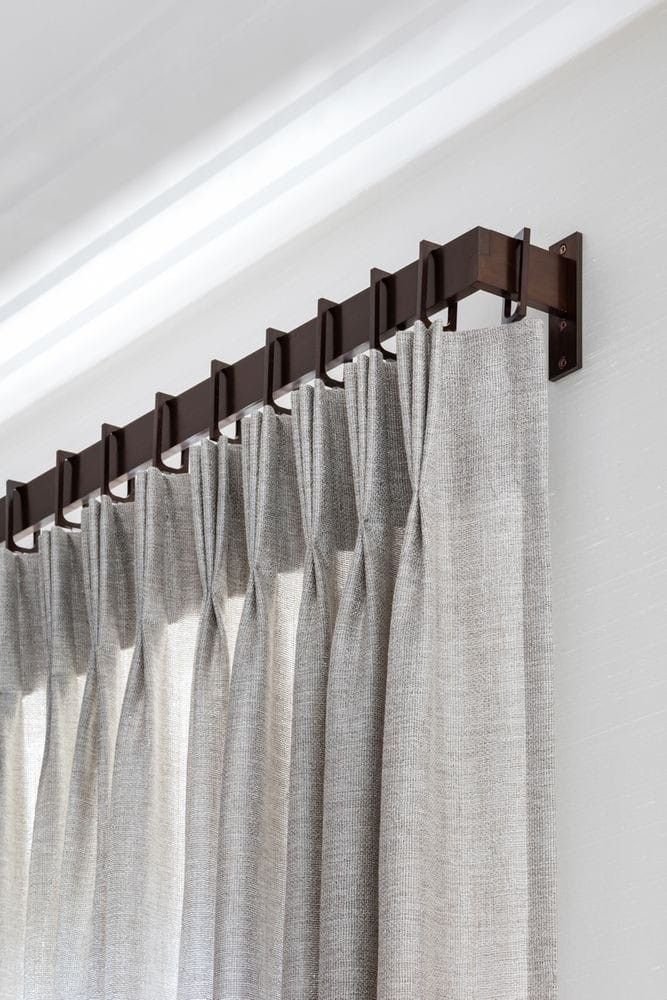
The curtain heading style is one of the most important decisions in the curtain-buying process — it determines how the curtain folds, how much fabric is required, which track system it needs and how it looks when open and closed. This guide explains the four main heading styles used in Dubai homes.
Eyelet Curtains — Modern and Easy
Eyelet curtains (also called ring-top curtains) have large metal rings punched directly into the top of the curtain fabric. The curtain pole threads through the rings, creating a casual, contemporary fold. Key characteristics:
- Contemporary, relaxed appearance — suits modern Dubai apartments and villas
- Easy to open and close — the rings glide smoothly along any pole
- Creates consistent, even folds that sit flat against the wall when open
- Uses approximately 2x the finished width in fabric (less fabric than pinch pleat)
- Works best with medium-weight fabrics — not ideal for very heavy fabrics or very light sheers
- Compatible with curtain poles but NOT with ceiling-mounted tracks (rings need a pole to sit on)
Wave Curtains — The Contemporary Choice
Wave curtains (also called ripple-fold or S-fold curtains) create a continuous, uniform S-shaped fold across the full width of the curtain. This style has become the most popular heading choice in high-end Dubai interiors over the past five years. Key characteristics:
- Very contemporary, designer aesthetic — popular in luxury Dubai villas and hotels
- Uniform folds look elegant whether the curtain is open or closed
- Requires a dedicated wave track with specially spaced gliders — not compatible with standard tracks or poles
- Works beautifully with both sheer and blackout fabrics
- Uses approximately 2–2.5x the finished width in fabric
- Ideal for motorization — the smooth gliding action is perfect for motorized systems
Pinch Pleat Curtains — The Classic Choice
Pinch pleat curtains have a stiffened heading with fabric pinched into neat groups of two or three pleats at regular intervals. This is the classic, formal curtain style used in traditional Dubai villas, palace residences and hotel rooms. Key characteristics:
- Formal, tailored appearance — suits traditional and transitional interiors
- Three-pleat pinch looks very structured and elegant on tall windows
- Two-pleat (double pinch) is slightly less formal but still structured
- Works on both standard tracks (with hook tapes) and decorative poles (with pin hooks)
- Uses 2.5x the finished width in fabric — most fabric-intensive heading style
- Excellent for very tall (3m+) windows common in Dubai villa reception rooms
Pencil Pleat Curtains — The Versatile Classic
Pencil pleat curtains use a tightly gathered heading tape that creates neat, narrow pencil-like pleats across the top. This is the most versatile heading style — it works on almost any track or pole. Key characteristics:
- Traditional gathered appearance, slightly less formal than pinch pleat
- Most versatile heading — compatible with all track types and poles
- Can be adjusted to different fullnesses by varying how much the tape is drawn
- Popular for bedroom curtains and café-style kitchen curtains
- Uses 2–2.5x the finished width in fabric
Which Heading Style Is Right for Your Dubai Home?
| Room / Style | Recommended Heading |
|---|---|
| Modern apartment, minimalist style | Eyelet or Wave |
| Contemporary villa, high ceilings | Wave or Pinch Pleat |
| Traditional villa, formal reception room | Pinch Pleat (3-pleat) |
| Bedroom, relaxed feel | Eyelet or Pencil Pleat |
| Motorized system | Wave (best for motors) |
| Budget-conscious | Eyelet or Pencil Pleat |
Our consultant will recommend the best heading style for each window at your free home visit, factoring in your ceiling height, track type, fabric weight and interior style.